Why & When Should You Calibrate Your Lens? (And Signs It Needs Repair)
Your camera lens is one of the most critical parts of your photography setup, but over time, it can develop focusing issues or even mechanical faults. Understanding when to calibrate your lens and when it may need professional repair can save you from frustratingly blurry images and costly mistakes.
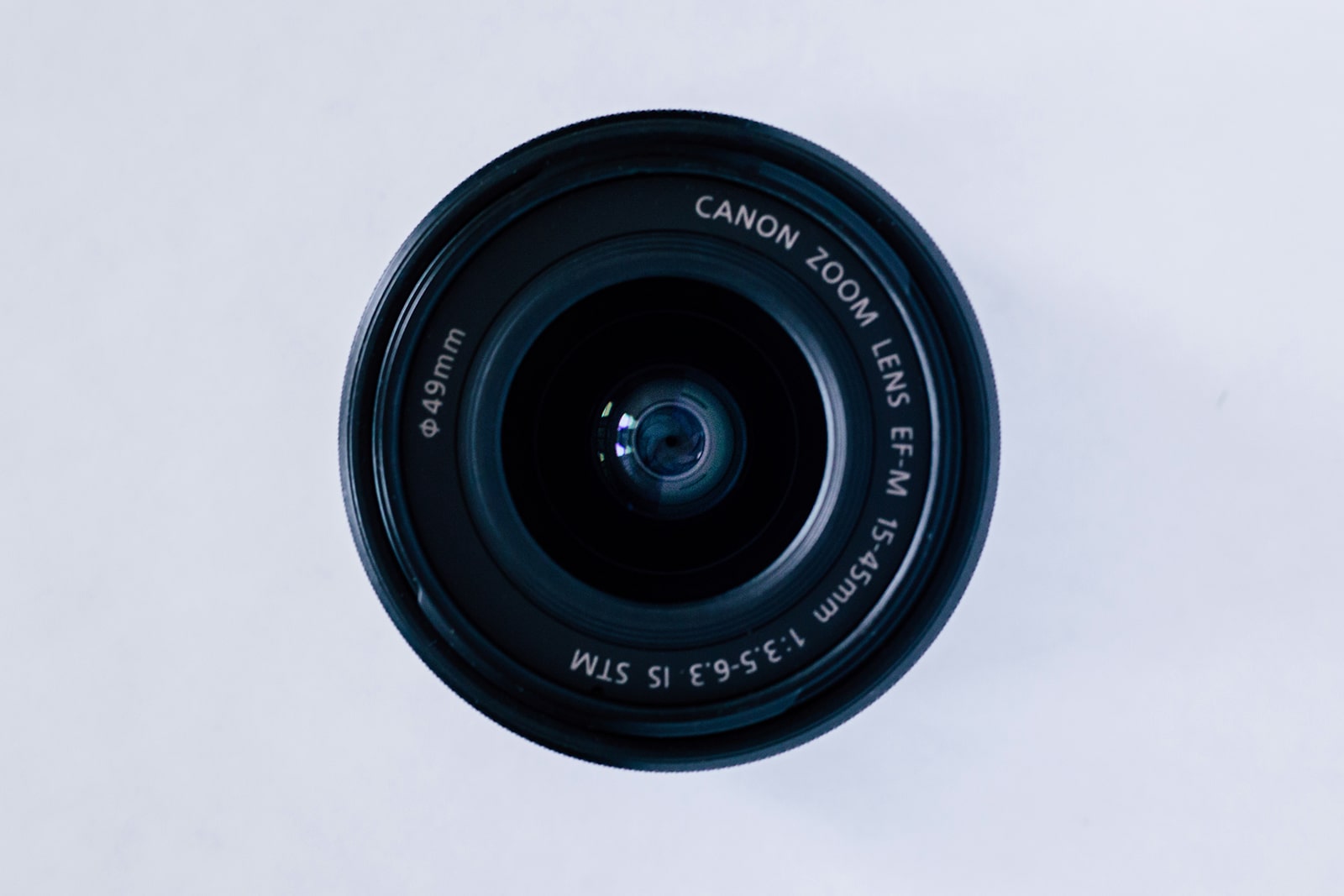
Your camera lens is one of the most critical parts of your photography setup, but over time, it can develop focusing issues or even mechanical faults. Understanding when to calibrate your lens and when it may need professional repair can save you from frustratingly blurry images and costly mistakes.
Why Should You Calibrate Your Lens?
Lens calibration ensures that your camera and lens are perfectly aligned to achieve sharp and accurate focus. Even high-end lenses can suffer from slight misalignment, which may cause your focus to be slightly off—especially when shooting at wide apertures (f/1.2, f/1.8, etc.).
Benefits of Lens Calibration:
Sharper Focus – Ensures your subject is tack-sharp instead of slightly front or back-focused.
Better Autofocus Accuracy – Reduces the chances of your camera misfocusing on the wrong part of the subject.
Consistent Performance – Especially important for professional work where every shot matters.
Saves Editing Time – A properly calibrated lens reduces the need for excessive sharpening in post-production.
When Should You Calibrate Your Lens?
Not every lens requires frequent calibration, but certain situations indicate it’s time for an adjustment:
1. Your Focus is Consistently Off
If your images regularly look slightly out of focus even when using autofocus correctly, you might need calibration. Test by shooting a high-contrast subject at a shallow depth of field.
2. You’re Using a New Camera or Lens
Even brand-new lenses can have slight focusing variations, and pairing a lens with a new camera body may introduce minor discrepancies.
3. After Impact or Rough Handling
If your camera or lens has been dropped, bumped, or exposed to heavy vibration, it may have misaligned elements.
4. You Frequently Shoot at Wide Apertures
Lenses with apertures like f/1.4 or f/1.8 have razor-thin depth of field, making even minor misalignment more noticeable.
5. Your Camera Has Micro-Adjustments
Some DSLRs and mirrorless cameras allow fine-tuning autofocus settings (AF micro-adjustments). If your camera has this feature, you can manually calibrate each lens.
How to Calibrate Your Lens:
You can use autofocus calibration tools like Datacolor Spyder LensCal or Reikan FoCal, or manually adjust focus with a test chart and your camera’s AF micro-adjustment feature.
Signs That Your Camera Lens Needs Repair
Sometimes, calibration isn't enough. Here are warning signs that your lens may need professional servicing or repair:
1. Autofocus is Completely Unresponsive
If your lens won’t autofocus at all, it could indicate motor failure or electronic issues.
2. Loud Noises or Grinding Sounds
Unusual sounds when focusing or zooming often signal internal mechanical problems.
3. Soft or Blurry Images Even After Calibration
If calibration doesn’t fix the focus issue, lens elements may be out of alignment due to impact or wear.
4. Visible Dust or Fungus Inside the Lens
If you see haze, fungus, or excessive dust inside the lens, it could affect image clarity. This often requires professional cleaning.
5. Stuck or Stiff Focus or Zoom Rings
If the focus or zoom ring is hard to turn or feels uneven, there may be internal damage or lubrication issues.
6. Image Stabilization Issues
If your lens has built-in stabilization (IS/VR/OSS) but images appear shaky, the stabilization mechanism might be failing.
Final Thoughts: Calibrate or Repair?
If you’re experiencing minor focus issues, try calibration first. If problems persist—especially mechanical failures—it’s best to seek professional repair. Regular maintenance and proper handling can extend your lens’s lifespan and keep your images sharp.
Cover photo by Alejandro Barba - Unsplash