Top 10 Photography Gear Myths Debunked
1. More Megapixels Mean Better Image Quality
One of the most common myths is that a higher megapixel count equals better photos. While megapixels contribute to resolution, image quality depends more on sensor size, lens quality, and processing power. A 12MP full-frame camera can produce sharper, cleaner images than a 48MP smartphone sensor.
2. Expensive Gear Makes You a Better Photographer
Owning a high-end camera won’t automatically improve your skills. Great photography is about composition, lighting, and creativity—not just the gear you use. A talented photographer with an entry-level camera can take better photos than an inexperienced one with the latest flagship model.
3. Full-Frame Cameras Are Always Better Than Crop Sensors
While full-frame cameras offer advantages like better low-light performance and wider field of view, crop sensor cameras can be lighter, more affordable, and better suited for certain types of photography, such as wildlife and sports.
4. Kit Lenses Are Useless
Many photographers assume that the kit lens (the one that comes bundled with a camera) is low quality. While not as sharp or fast as premium lenses, modern kit lenses offer great versatility and are a solid starting point for beginners.
5. Prime Lenses Are Always Sharper Than Zoom Lenses
Prime lenses generally have better optics, but modern zoom lenses have significantly improved. High-end zooms can deliver sharpness and clarity on par with primes, while offering more flexibility.
6. Image Stabilization Eliminates All Motion Blur
While in-body or lens-based image stabilization helps reduce shake, it doesn’t completely eliminate motion blur caused by subject movement. Fast shutter speeds are still essential for freezing action.
7. You Must Always Shoot in Manual Mode
Manual mode gives full control, but it’s not always the best option. Aperture Priority (A) and Shutter Priority (S) modes can speed up workflow while still allowing creative control. Professional photographers often switch between modes based on the situation.
8. Third-Party Lenses Are Inferior to Brand-Name Lenses
Companies like Sigma, Tamron, and Samyang produce lenses that often rival or even outperform native-brand lenses at a lower price. Third-party lenses are worth considering if they meet your needs and budget.
9. Mirrorless Cameras Are Always Better Than DSLRs
Mirrorless cameras are lighter and offer advanced autofocus, but DSLRs still excel in battery life, optical viewfinder experience, and durability. The choice depends on your shooting style and preference.
10. Buying Used Camera Gear Is Too Risky
Many photographers avoid buying used cameras and lenses out of fear of defects. Sure, that might be true, if you're not careful enough, but following these tips might assist you avoid this and enjoy your new gear for a fraction of a price.
Final Thoughts
Understanding these photography gear myths can save you money and help you make informed decisions. Instead of chasing trends or buying unnecessary upgrades, focus on mastering your craft with the gear you already have. Happy shooting!
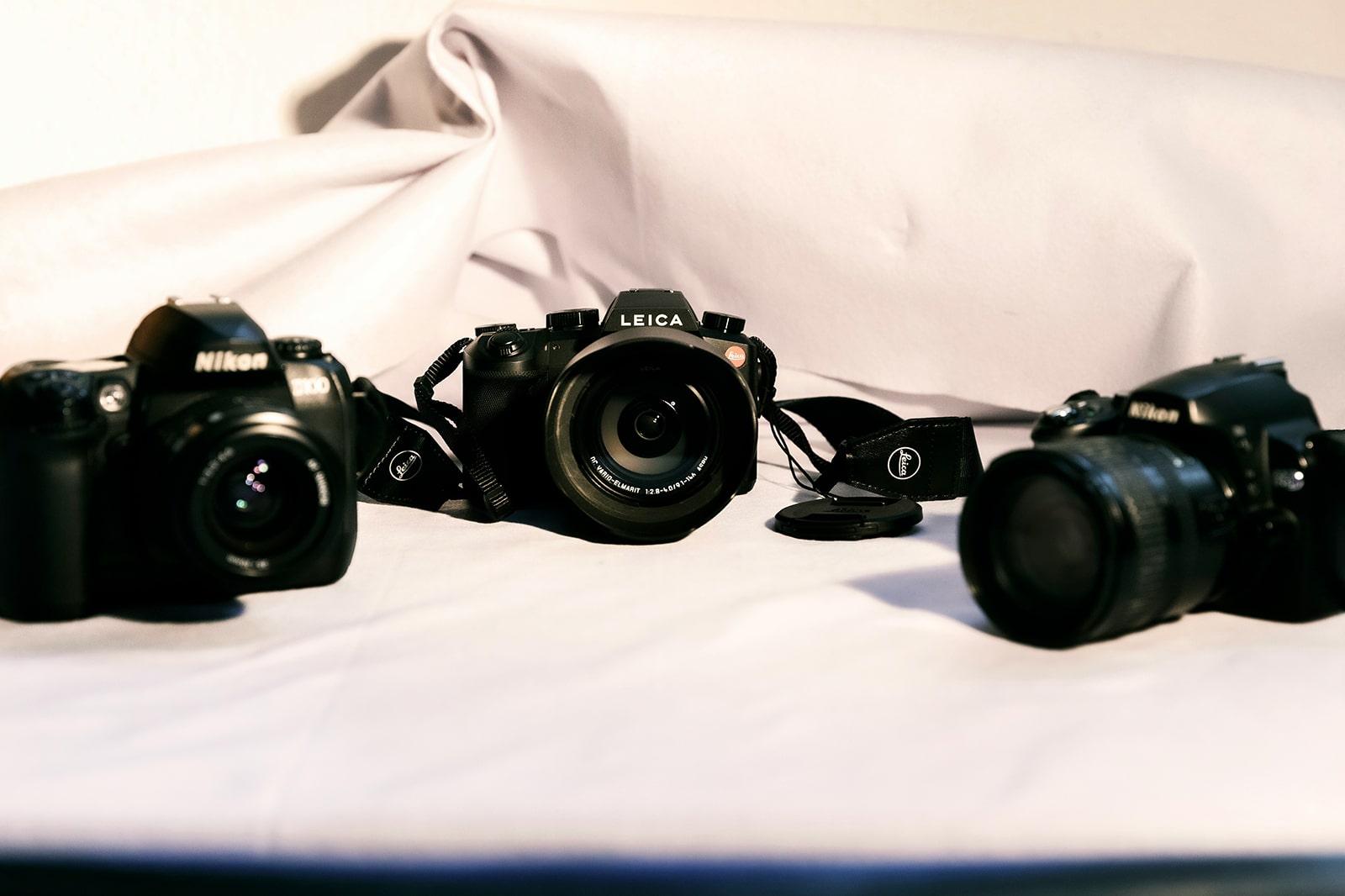
Cover photo by La Fabbrica Dei Sogni - Unsplash.